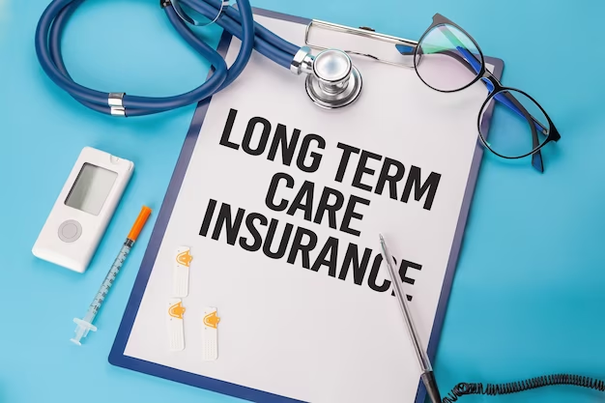
Long-Term Care Insurance helps cover the costs of care when you can no longer perform everyday activities on your own. Whether it’s at home, in an assisted living facility, or in a nursing home, this coverage ensures you have support when it matters most.
✅ Covers extended care costs – home health aides, assisted living, nursing facilities
✅ Protects your retirement savings – avoid spending down assets on care
✅ Preserves choice – decide where and how you receive care
✅ Provides peace of mind – knowing coverage is in place when health changes
💰 Why People Choose
Long-Term Care
Benefit
What It Means
🏠 Flexible Care Options
Coverage for at-home care, assisted living, or nursing care facilities.
💰 Asset Protection
Prevents your savings from being drained by long-term care costs.
👩⚕️ Quality of Care
Ensures access to professional care when you need it most.
🕊️ Independence
Maintain control and dignity in how you receive care.
🔒 Early Protection
Lock in coverage while you’re healthy for lower costs and guaranteed access.
The Challenge With
Long-Term Care
Qualifying for standalone Long-Term Care Insurance isn’t always easy. Health conditions, age, or premium costs can make approval difficult. Many people who wait too long find themselves unable to get the coverage they need.
Your Backup
Plane
Hybrid life insurance isn’t the same as standalone LTC, but it offers a strong alternative. These policies are life insurance first, with long-term care benefits built in. If you need care, the policy pays out for those costs. If you don’t, your family receives the life insurance benefit.
Pros
Cons
✅ Often easier to qualify for than standalone LTC
❌ Benefits may be smaller than traditional LTC if care lasts many years
✅ Two-in-one coverage: life insurance + LTC
❌ Primary design is life insurance; LTC benefits are secondary
✅ Guaranteed payout — LTC benefits or death benefit
✅ Premiums are locked in — no surprise increases
✅ Flexible use of benefits
🔎 Real-Life
Use Cases
At-Home Assistance: Help with bathing, dressing, or meal preparation.
Assisted Living: Coverage for safe, supportive environments as independence declines.
Skilled Nursing Care: Financial support for professional medical facilities.
Respite Care: Provides relief for caregivers while keeping quality care consistent.